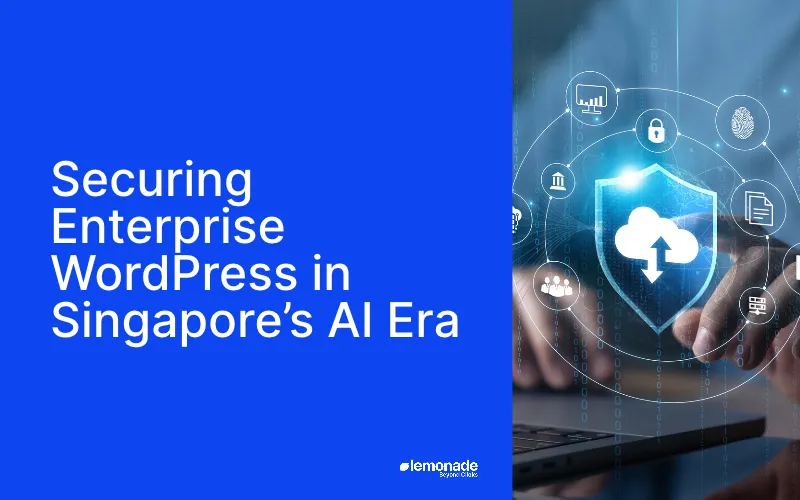
In Singapore’s dynamic digital ecosystem, Enterprise WordPress websites serve as critical hubs for corporate branding, customer engagement, and operational efficiency. With artificial intelligence (AI) fundamentally transforming technological landscapes, enterprises face a dual challenge: leveraging AI to enhance websites while defending against AI-empowered cyber threats. This article delves into how Singapore enterprises can secure their WordPress platforms amidst rising AI-powered vulnerabilities and explores best practices and strategic approaches tailored to the unique demands of today’s AI era.
The AI Paradigm Shift in Website Security
AI’s integration into website technology has catalysed both opportunity and risk. On the positive side, AI enhances website management through automated content personalisation, improved search capabilities, and predictive analytics. Conversely, malicious actors exploit AI tools to rapidly identify and exploit system vulnerabilities, including those within WordPress cores, plugins, and themes.
Recent security incidents, such as the wp2shell vulnerability, highlight how AI-driven exploits can compromise enterprise sites without requiring user authentication. These vulnerabilities underline an unprecedented escalation in exploit sophistication and speed, necessitating proactive, intelligent security postures.
Understanding Enterprise WordPress in Singapore’s Context
Enterprise WordPress platforms in Singapore often support complex business requirements, from multi-language interfaces to secure e-commerce functionalities compliant with the Personal Data Protection Act (PDPA). These platforms combine numerous plugins, bespoke themes, and integrations that enhance capability but also enlarge the attack surface.
Additionally, the Singapore government’s emphasis on digital trust and cybersecurity places legal and reputational pressures on enterprises to implement best-in-class security measures. Failure to comply or secure enterprise websites risks customer data breaches, regulatory penalties, and eroded brand confidence.
Key Threats to Enterprise WordPress in the AI Era
- Automated Vulnerability Scanning: AI-powered bots scan WordPress sites continuously, seeking outdated plugins or themes to exploit vulnerabilities faster than manual patching cycles.
- AI-Enhanced Social Engineering: Phishing and spear-phishing attacks targeting administrative users are becoming more precise and convincing through AI’s data analytics and content generation capabilities.
- Supply Chain Attacks: Compromises in third-party plugins or themes—such as the notable WPMU DEV Dashboard plugin vulnerabilities—can provide backdoors into enterprise websites.
- Advanced Persistent Threats (APTs): Sophisticated AI tools enable attackers to maintain stealthy, prolonged access to website infrastructures.
Best Practices for Securing Enterprise WordPress Platforms
1. Continuous AI-Driven Threat Monitoring and Response
Deploying AI-enabled security systems empowers enterprises to detect anomalies and suspicious activities in real time. Machine learning algorithms can identify patterns suggesting a security breach, triggering automated containment or alerts well before widespread damage occurs.
2. Rigorous Patch Management and Plugin Vetting
Enterprises should enforce strict policies to keep WordPress cores, plugins, and themes updated automatically or within minimal delay. Vetting plugins from trusted sources and monitoring disclosed vulnerabilities at resources like the WordPress update channels and plugin documentation sites is essential to mitigate supply chain risks.
3. Implementing Zero Trust Architecture
This modern security model assumes no implicit trust and requires verification of all access requests, whether internal or external. Applying zero trust principles to WordPress admin panels, database access, and API interactions reduces the likelihood of insider threats and lateral movement by attackers.
4. Role-Based Access Control and Multi-Factor Authentication
Limiting user permissions to the minimum necessary and enforcing multi-factor authentication (MFA) can significantly reduce the risk of compromised credentials being misused on enterprise WordPress sites.
5. Secure Hosting and Environment Hardening
Selecting hosting providers offering hardened environments, regular backups, and security compliance is foundational. Enterprises should also implement web application firewalls (WAF), enforce HTTPS with HSTS, and restrict server-level permissions.
Strategic Considerations for AI-Enabled Security
Enterprises in Singapore aiming to integrate AI for website security must anticipate the evolving threat landscape by adopting a layered defence strategy. Consider the following steps:
- Partner with Security Vendors Offering AI Capabilities: Collaborate with vendors that provide AI-powered vulnerability scanning, threat intelligence, and incident response capabilities tailored to WordPress ecosystems.
- Embed Security in the Development Lifecycle: Utilize AI-driven code analysis tools during development to identify security flaws early and maintain coding best practices.
- Employee Training and Awareness: Regularly train staff on emerging cyber threat tactics, especially AI-powered social engineering attacks, to foster a vigilant security culture.
Balancing AI Integration and Security
While AI adds complexity to the security landscape, it also offers powerful tools for enhancing website functionality and defence. For instance, AI-powered chatbots and personalisation engines improve customer experience but come with privacy and security considerations, particularly under Singapore’s PDPA.
Maintaining compliance involves rigorous data governance backed by AI-based monitoring platforms capable of detecting unauthorized data access or anomalies. Enterprises should deploy transparent AI systems with audit trails to align with regulatory expectations.
Conclusion
Securing Enterprise WordPress platforms in Singapore’s AI era requires a holistic, forward-looking approach that embraces AI both as a weapon and shield. By implementing continuous AI-driven security monitoring, enforcing robust patch and access controls, adopting zero trust principles, and partnering with expert vendors, enterprises can strengthen their defences against agile AI-powered threats.
For enterprises seeking to deepen their understanding of WordPress security and AI integration, valuable insights can be found at Human Made’s enterprise WordPress resource and through the ongoing updates and best practices shared at Wordfence’s security blog.
Securing your WordPress platform is no longer optional in Singapore’s competitive and regulated digital economy — it is essential for sustaining brand trust and business resilience in the AI-driven future.
To consult with experts on fortifying your enterprise website, consider reaching out to professionals specialising in enterprise website security and development in Singapore.